
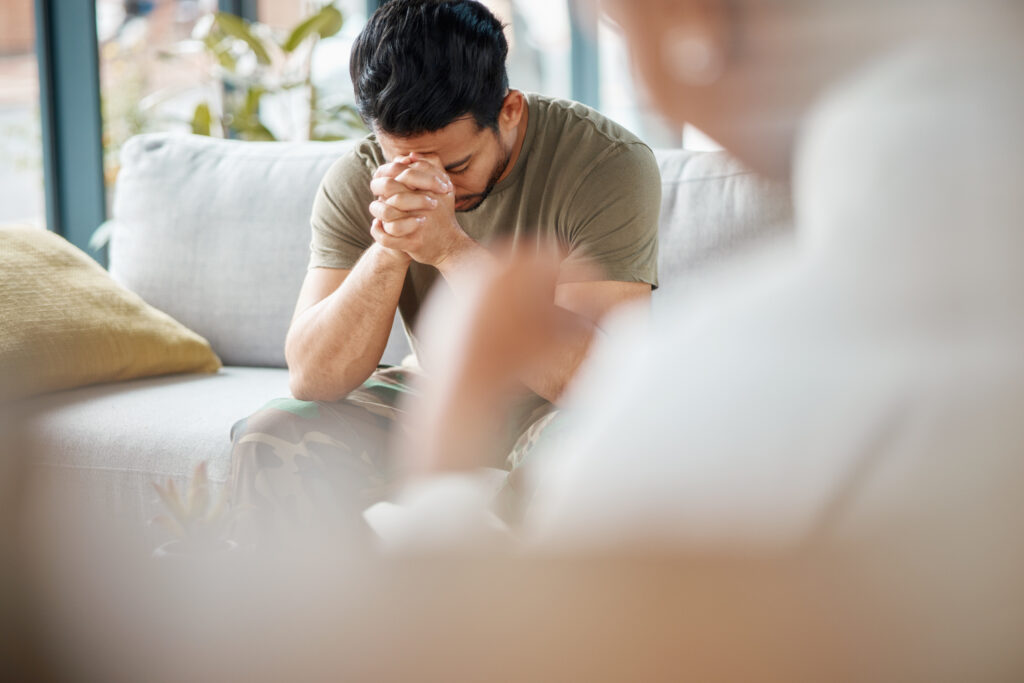
What do we mean by trauma? The word trauma is used a lot today because we know more about it but like anything we know more about, there are occasions when the term is loosely used and perhaps not quite accurate. However, how we feel and we describe trauma can appear subjective to the listener, so we need to be open-minded. We also need continued research in this area of the phenomenon logical experience of the sufferer.
Trauma is the aftermath of an event or series of events a person has experienced to a degree that has affected them mentally, physically, emotionally, perhaps financially and many other ways – it is a very visceral reaction yet also can be a very external expression of behaviour, normally profound coping mechanisms. Trauma is a shock to the body that ignites the body’s stress response to such a degree a person can be and often is oblivious to the deeper responses that are going on.
This degree of stress can also be elicited through an accumulation of events over a period of time nevertheless an internal reaction that is deeply profound, long lasting and very visceral. Visceral not only means that a person feels the trauma all over their body inside and out, like it’s touching every part and the impact on the person‘s life stretches and reaches out like trailing, extending and searching tentacles of an octopus, touching every single part of a persons life and sucking out energy, leaving behind what some people call a shell of a person. It doesn’t have to stay this way.
Most people, through my experience, speak of trauma as if it has invaded their body as if there are two parts of them functioning simultaneously – one part rational and the other irrational but the depth that it goes to is something only that individual knows, and the conflict between the two parts creates fear, confusion, self-doubt self sabotage and suicidal ideation.
So why do we talk about trauma so much more today? Trauma has become quite a buzz word but that is not to minimise its impact, nor lessen how we hear the word trauma when somebody describes their experience as an event or series of events. By using the word event we are identifying something that has happened to the person albeit small or medium or large. The point here is the effect trauma has on the person. And if someone describes trauma by is using the word to convey the depth of what has happened to them then you can be rest assured that the person is talking from a deep place of knowing.
This article is not about theory nor is it about therapy in a traditional sense (such as trauma informed therapy), it is about the phenomenonlogical experience of individuals who have suffered a traumatic experience and consequently the response, and live every day working and healing from trauma using sometimes the most ingenious coping strategies to keep them safe and to keep them alive – it is survival. Not survival as a victim necessarily but survival responses on repeat long after the threat has gone.
We often imagine coping mechanisms as unhealthy yet a lot of them can be healthy for a short period of time. It is knowing when a coping mechanism is healthy (keeping someone safe) and when it is unhealthy and detrimental. For example, it is widely known among professionals when working with self harm that it is detrimental to a person to pursue an intervention which directly aims to stop the self harm without addressing the trauma behind it. Often the trauma sufferer will feel relief of some kind when self harming, depending on what the self harm is of course, and will express how feeling a different kind of pain is like a distraction from the trauma pain – often referred to as the pain body by Erhart Tolly.
This article is not intended to be from a perspective of doom and gloom but a realistic insight into what a trauma sufferer can experience, and for the person living with the trauma person it can be a confusing, profoundly insightful and visceral experience to from a secondary trauma perspective. In a therapeutic setting we would call this transference and counter transference.
The person living with trauma that resides inside another person yet experiences that other persons behaviour as a result of trauma on a daily basis would be well placed to have their own therapy. This will help to understand the interpersonal interactions taking place within that relationship. In this respect we are of course talking about a level of trauma that has an impact on a second person other than the primary person who the trauma happened to. Not all trauma needs to be dealt with within this way, but if we’re talking about trauma as an event, experience or situation with profoundly negative consequences that has impacted someone on a visceral level where their stressed response has been ignited and does not switch off for fear of being re-traumatised as a coping mechanism, then we are talking about a level of suffering that needs to be treated in this way.